


When Your Rankings Refuse to Stay Still

Have you noticed sudden SEO ranking fluctuations in your website performance? At times, your rankings improve, while at other times, they drop unexpectedly. However, this is not random but part of a structured evaluation process.
Although it may seem frustrating, this phase actually indicates that your content is being actively evaluated.
What Does Google Dance Really Indicate?
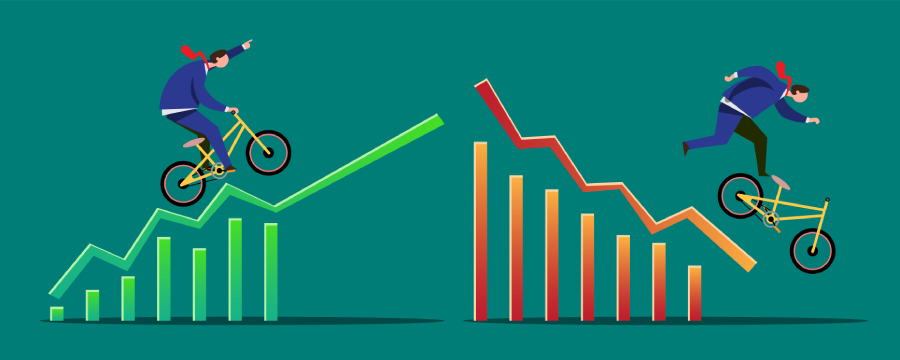
Google Dance refers to a period of search ranking fluctuations where your page is tested across different positions. Moreover, this happens when search engines are unsure about your final ranking.
Therefore, instead of assigning a fixed position immediately, they experiment with multiple placements. As a result, SEO ranking volatility becomes visible.

Why Do Search Engines Shift Rankings So Frequently?
Search engines do not rely on a single factor. Instead, they continuously analyze multiple signals.
First, they check content relevance.
Next, they observe user interaction.
Finally, they compare your page with competitors.
Because of this layered process, ranking changes in SEO occur repeatedly before stabilization.
The Role of User Behavior in Ranking Fluctuations

Interestingly, user behavior plays a bigger role than many expect. For example:
- If users click your page more often, rankings may improve
- If they leave quickly, positions may drop
- If engagement increases, stability comes faster
Therefore, Google ranking fluctuations are not just technical—they are also behavioral.
Hidden Truths Behind Google Dance
Many people overlook these important points:
- Search engines may temporarily boost your page to test performance
- High engagement can outperform strong backlinks initially
- Even optimized pages can re-enter Google Dance after updates
Because of this, consistency becomes more important than quick fixes.

Common Reactions That Make Things Worse
However, reacting emotionally can harm your rankings.
- Constant edits confuse the algorithm
- Keyword stuffing reduces readability
- Ignoring page speed affects user experience
Instead, a calm and strategic approach is essential.
Smarter Approach to Navigate Ranking Instability
Instead of chasing every fluctuation, shift your focus toward building long-term strength. In fact, stability comes from consistency, not constant reaction.
- Refine your content by answering deeper user intent rather than just adding more words
- Identify which sections users engage with the most and enhance those areas further
- Improve visual structure using headings, spacing, and readability flow
- Ensure your page delivers value quickly, especially in the first few seconds
- Maintain a logical content journey so users naturally continue reading
How Rankings Eventually Stabilize
Every page follows a pattern. Initially, rankings are unstable. Then, testing begins. After that, adjustments are made. Finally, rankings settle.
Therefore, fluctuations are temporary, but the outcome depends on your content quality.

Turning Google Dance into an Advantage
Although Google Dance may seem unpredictable, it actually gives your content a chance to compete. Moreover, it allows search engines to find the best position based on real data.
Because of this, focusing on user experience, rather than shortcuts, leads to better results.
Conclusion: Stay Consistent, Not Reactive
In conclusion, Google Dance is not a problem—it is a process. While rankings may shift frequently, they eventually stabilize once enough data is collected.
Therefore, instead of reacting quickly, stay consistent. Focus on quality, improve user experience, and let the system complete its evaluation.