

Why Your Rankings Keep Changing Without Warning
Have you noticed sudden SEO ranking fluctuations affecting your website performance? At one moment, your page appears to gain visibility; however, shortly after, it drops unexpectedly. Although this behavior may seem unstable, it is actually a structured part of how search engines evaluate content.
Therefore, instead of viewing these changes as errors, it is important to understand them as a critical phase in ranking assessment.
Understanding SEO Ranking Fluctuations in Search
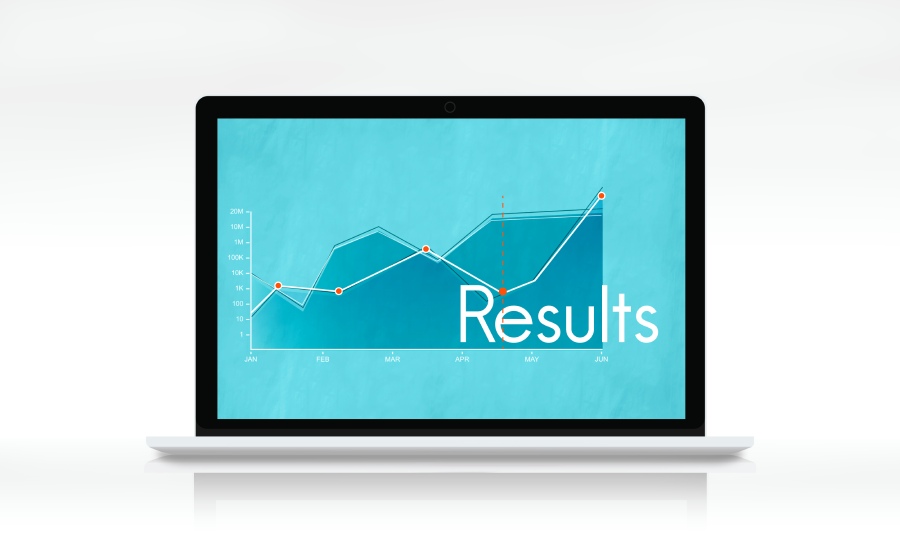
SEO ranking fluctuations refer to temporary changes in your website’s position on search engine results pages. Moreover, these movements occur when search engines continuously reassess content quality, relevance, and user engagement.
In addition, search engines do not finalize rankings immediately. Instead, they test pages across different positions. As a result, fluctuations become visible before stability is achieved.
How Search Engines Process Ranking Volatility
To fully understand SEO ranking fluctuations, it is essential to examine how search engines operate:

Content Evaluation
Initially, search engines analyze your content based on relevance, structure, and keyword alignment.
User Signal Analysis
Next, they observe how users interact with your page. For example, click-through rates, dwell time, and engagement levels are measured.
Comparative Testing
Finally, your page is compared with competing content. Consequently, rankings shift multiple times during this process.
Because of these steps, search ranking changes are inevitable before a stable position is assigned.
Why SEO Ranking Fluctuations Occur More Frequently
Not all pages experience the same level of volatility. However, certain conditions increase fluctuations:
- Newly published pages lack historical performance data
- Competitive keywords require deeper evaluation
- Frequent updates reset ranking signals
Therefore, pages under these conditions often experience more intense SEO ranking fluctuations.
Hidden Factors Influencing Ranking Changes
Although many focus on backlinks and keywords, several overlooked factors play a role:

- Search engines may temporarily boost rankings to test performance
- User engagement often outweighs authority signals in early stages
- Content structure and readability impact user behavior significantly
As a result, ranking fluctuations in SEO are influenced by both technical and behavioral factors.
Common Mistakes That Disrupt Ranking Stability
However, reacting incorrectly can prolong instability:
- Constant content edits interrupt evaluation cycles
- Keyword overuse reduces readability and trust
- Ignoring technical performance affects user experience
Instead, maintaining consistency allows search engines to complete their analysis efficiently.
How to Manage SEO Ranking Fluctuations Effectively
Rather than responding impulsively, focus on strategic improvements:
- Enhance content depth based on user intent
- Improve site speed and mobile responsiveness
- Build a logical internal linking structure

The Lifecycle of Ranking Stability
Every webpage typically follows a structured progression:
- Initial Phase → Limited visibility
- Testing Phase → High fluctuation
- Adjustment Phase → Gradual improvement
- Stability Phase → Consistent ranking
Therefore, fluctuations are temporary indicators of ongoing evaluation.

Why SEO Ranking Fluctuations Are Beneficial
Although SEO ranking fluctuations may appear challenging, they provide an opportunity for growth. In fact, they allow your content to be tested across multiple positions.
Moreover, pages that demonstrate strong user engagement tend to stabilize at higher rankings. Because of this, focusing on user experience is far more effective than quick fixes.
Conclusion: Focus on Stability, Not Reaction
In conclusion, SEO ranking fluctuations are an essential part of modern search engine behavior. While rankings may shift frequently, they eventually stabilize once sufficient data is collected.
Therefore, instead of reacting to every change, prioritize consistency, quality, and user-focused improvements. Over time, this approach leads to stronger and more sustainable rankings.